Cessna Nose Gear Strut Assembly: Replacement Nose Landing Gear Component
Cessna Nose Gear Strut Assembly: Replacement Nose Landing Gear Component
Blog Article
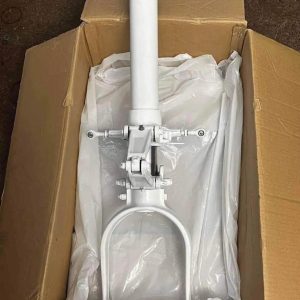
The Cessna Nose Gear Strut Assembly combines load support, controlled compression, wheel positioning, and steering-related functions within the aircraft’s complete landing-gear system.
A Cessna Nose Landing Gear Strut may form part of a broader Cessna Nose Gear Assembly, while the phrase Cessna Landing Gear Strut can describe different positions or configurations depending on the aircraft model.
The Aircraft Nose Gear Strut must maintain suitable alignment, movement, sealing, structural integrity, and connection with surrounding components.
The Cessna Nose Gear Shock Absorber, Cessna Aircraft Landing Gear Strut Landing Gear Assembly, Aircraft Landing Gear Strut, and Cessna Nose Wheel Strut phrases highlight the component’s role in supporting loads and controlling ground impacts.
The Cessna Steering Strut Assembly, Cessna Replacement Nose Gear, and General Aviation Landing Gear Parts keywords describe commercially relevant searches for maintenance and restoration projects.
Why Exact Landing Gear Identification Matters
Complete identification gives technicians the information needed to evaluate suitability.
Informal descriptions such as complete or ready to install should be supported by an exact inventory.
Managing Taxi and Landing Forces
System-level evaluation is essential when selecting or inspecting the component.
Any evidence of previous impact should be disclosed and investigated.
Managing Landing and Taxi Impacts
A strut that appears fully extended may still contain internal wear, incorrect pressure, or unsuitable fluid quantity.
Qualified maintenance supports proper Cessna Nose Gear Shock Absorber operation.
Understanding the Cessna Steering Strut Assembly
Each component should move smoothly and remain free from excessive play, binding, distortion, corrosion, and unsuitable modification.
Professional adjustment protects the Cessna Steering Strut Assembly and connected components.
Aircraft Model and Serial-Range Compatibility
Compatibility depends on the exact Cessna model, aircraft serial-number range, landing-gear configuration, part number, modification status, wheel arrangement, steering system, and surrounding structure.
The complete receiving-aircraft configuration should be reviewed before purchase.
Inspecting for Scoring, Pitting, and Wear
Paint, grease, or contamination should not conceal suspected defects.
The piston should move through the permitted range without binding, roughness, excessive side play, or abnormal resistance.
Inspecting the Nose Gear Strut for Leaks
Repeated wiping without correcting the source does not constitute proper repair.
Incorrect seal material, damaged installation tools, contaminated fluid, or improper assembly can lead to early failure.
Corrosion and Environmental Exposure
Pitting depth, location, and remaining material can influence repairability or replacement decisions.
Responsible preservation helps maintain the Cessna Nose Gear Assembly.
Determining the Need for Nondestructive Testing
High-stress areas can include attachment points, fork transitions, axle regions, steering features, torque-link mounts, and previous repair locations.
Hard landings, runway excursions, tow-bar incidents, shimmy, collapsed tires, obstacle contact, and freight damage can affect the nose gear even when external deformation appears minor.
Maintaining Wheel and Tire Geometry
Clear package information helps buyers estimate the complete repair cost.
Tire condition can influence shimmy, ground handling, and visible strut behavior.
Inspecting Landing Gear Articulation Components
Excessive play can contribute to wheel misalignment, vibration, shimmy, and accelerated component wear.
Recurring shimmy should prompt inspection of the entire nose gear, wheel, tire, steering, balance, and attachment system.
Shimmy, Vibration, and Uneven Tire Wear
Replacing the strut assembly alone may not correct the concern if other components remain defective.
A new tire can mask but not correct underlying geometry problems.
Understanding Strut Inflation Procedures
Values from another Cessna model should not be applied without verification.
Extension should be evaluated under the loading condition specified by applicable maintenance data.
Overhaul and Reconditioning Considerations
The exact scope should be defined in the work records rather than assumed from the word overhauled.
Complete records strengthen the commercial value of the Cessna Replacement Nose Gear.
Evaluating a Used Landing Gear Component
A pre-purchase review should confirm the exact part number, configuration, aircraft applicability, serial markings, dimensions, included components, removal reason, condition, repair history, and documentation.
- Resolve identity, applicability, condition, and package-completeness questions before payment.
- Do not treat clean paint, smooth movement, or a removed-serviceable statement as proof of current installation eligibility.
- Report shipping damage, missing components, identification differences, undisclosed repairs, corrosion, leakage, or dimensional concerns promptly.
Aircraft Component Crating Requirements
Loose hardware should be labeled, wrapped, and secured separately.
Forks and mounting features should not be used as uncontrolled lifting points unless approved for handling.
Preventing Corrosion and Seal Damage
The assembly should not rest directly on delicate fittings, the axle threads, polished surfaces, or unstable supports.
Identification records, inspection tags, hardware, seals, and supporting documents should remain associated with the correct assembly.
Completing Wheel and Strut Alignment
Incorrect bolts, improvised spacers, damaged threads, or forced alignment should not be accepted.
Wheel alignment and steering travel should be evaluated after assembly.
After installation, technicians should verify strut extension, servicing, leakage, steering response, wheel alignment, hardware security, tire clearance, and freedom of movement.
Maintaining the Cessna Nose Landing Gear
Consistent care supports dependable Cessna Nose Landing Gear Strut operation.
The nose gear should receive additional inspection after a hard landing, runway excursion, towing incident, tire failure, severe shimmy, obstacle strike, or abnormal ground handling event.
Landing Gear Ownership and Installation Costs
A recent professional inspection or overhaul can add value when the scope, findings, measurements, and replaced parts are documented accurately.
The lowest-priced assembly may not offer the lowest installed cost when major repairs or missing parts are discovered.
Buying a Replacement Cessna Front Gear Assembly
For a properly matched Cessna aircraft, the assembly can support dependable ground handling when professionally inspected, serviced, installed, and maintained.
Careful technical and commercial evaluation can reduce compatibility problems, missing-parts expenses, overhaul surprises, installation delays, steering concerns, and documentation issues.
Whether buyers need a Cessna Front Landing Gear Assembly, Aircraft Nose Gear Strut, Aircraft Nose Landing Gear Assembly, or Cessna Shock Strut Assembly, current physical condition should be verified.
With verified identity, suitable structural condition, correct aircraft applicability, professional servicing, disciplined installation, and routine inspection, the assembly can provide dependable long-term value.
Report this page